
Hurricane Cleanup in South Florida: How to Handle Storm Debris, Yard Waste & Property Damage
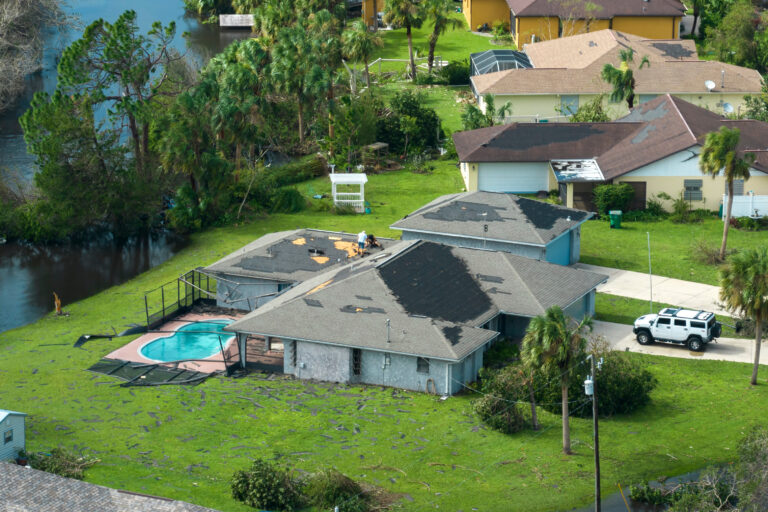
Quick Answer: How Should You Handle Storm Debris After a Hurricane?
After a hurricane, separate storm debris by type, keep hazardous materials away from ordinary waste, follow local collection instructions, and arrange appropriate disposal for materials that cannot be handled through normal curbside service. For larger cleanup projects, a properly sized roll-off dumpster can provide a convenient place to contain permitted debris while cleanup is underway.
Florida’s disaster-debris guidance emphasizes separating materials and using the appropriate disposal method for different types of storm-generated waste.
For large quantities of permitted debris, Wasteline Solutions can help property owners, contractors, and businesses determine an appropriate waste-removal solution.
Hurricane cleanup can quickly turn into a major waste-removal project. Learn what to do with storm debris, yard waste, damaged furniture, construction materials, and household junk—and when a dumpster can make cleanup easier.
For homeowners, contractors, property managers, and businesses across South Florida, hurricane preparedness doesn’t end when the storm passes.
The cleanup that follows can produce an overwhelming amount of debris—from fallen branches and palm fronds to damaged furniture, roofing materials, drywall, fencing, appliances, and other unwanted materials.
With the Atlantic hurricane season reaching its climatological peak during August through October, now is the time to have a storm-cleanup plan in place. NOAA notes that the peak of Atlantic hurricane activity generally occurs during these months.
Whether you’re preparing your home, managing a commercial property, or planning for a large cleanup project, understanding how to handle storm debris can make the recovery process faster, safer, and more organized.
What Types of Debris Can a Hurricane Create?
Answer: Hurricane cleanup can generate several different categories of waste, including vegetation, construction and demolition debris, damaged household items, appliances, furniture, fencing, roofing materials, and general property debris.
A single storm can create a surprisingly large amount of waste.
Common hurricane cleanup debris includes:
- Fallen tree branches
- Palm fronds
- Leaves and vegetation
- Damaged fencing
- Roofing materials
- Broken drywall
- Flooring
- Cabinets
- Damaged furniture
- Mattresses
- Appliances
- Outdoor furniture
- Construction debris
- Household junk
- Damaged landscaping materials
The type and quantity of debris will determine the most appropriate disposal method.
For major residential cleanouts, renovations, and storm-related projects, consider a roll-off dumpster rental to keep permitted debris contained in one location.
How Should You Separate Hurricane Debris?
Answer: Separate storm debris by material type whenever possible, particularly vegetation, construction and demolition debris, recyclable materials, household waste, and hazardous materials.
Proper separation can make the cleanup process more organized and can help ensure materials are handled through the appropriate disposal channels.
Florida’s Department of Environmental Protection provides disaster-debris guidance showing that different materials can have different disposal requirements.
A practical way to organize your cleanup is:
1. Vegetative debris
Examples include branches, palm fronds, leaves, and other yard waste.
2. Construction and demolition debris
Examples include drywall, flooring, roofing materials, cabinets, fencing, and other building materials.
3. Household items
Examples include furniture, mattresses, appliances, and other damaged household belongings.
4. Hazardous or restricted materials
These may require special handling and should not automatically be placed in a standard dumpster.
When you’re unsure whether something is permitted, ask your waste provider before loading it into the container.
Can You Put Hurricane Debris in a Dumpster?
Answer: Many common cleanup materials can be placed in a dumpster, but accepted materials vary by dumpster provider and disposal facility. Always confirm that your specific storm debris is permitted before loading the container.
A dumpster can be especially useful when your cleanup generates more waste than your regular garbage service can handle.
For example, a homeowner cleaning up after a storm may need to dispose of:
- Damaged furniture
- Broken fencing
- Remodeling debris
- Yard debris
- Household junk
- Flooring
- Drywall
- Roofing materials
However, not every type of storm-related material belongs in a dumpster.
Materials such as certain chemicals, fuels, batteries, and other hazardous waste may require specialized disposal.
Florida’s disaster-debris reference specifically identifies categories such as batteries, asbestos, hazardous waste, and other materials that require special handling.
When in doubt, ask before you load.
What Size Dumpster Do You Need for Hurricane Cleanup?
Answer: The appropriate dumpster size depends on the amount and type of debris you need to remove. A smaller residential cleanup may require a 10-yard container, while larger property cleanouts, renovations, and commercial projects may require 20-, 30-, or 40-yard containers.
Wasteline Solutions offers multiple roll-off dumpster sizes to accommodate different project volumes.
10-Yard Dumpster
A 10-yard container can be a practical option for smaller cleanup projects, home cleanouts, and limited renovation or storm-debris removal.
20-Yard Dumpster
A 20-yard dumpster provides additional capacity for larger residential projects, renovations, and more substantial property cleanouts.
30-Yard Dumpster
A 30-yard container can be useful for larger renovations, commercial cleanups, and projects generating significant quantities of debris.
40-Yard Dumpster
A 40-yard dumpster provides substantial capacity for major construction, demolition, commercial, and large-scale cleanup projects.
Not sure which size you need?
Take Wasteline Solutions’ Dumpster Size Quiz to help determine which container may be appropriate for your project.
Can Tree Branches and Yard Waste Go in a Dumpster?
Answer: Yard debris and tree waste may have specific disposal requirements, so you should confirm with your dumpster provider before placing branches, palm fronds, vegetation, or other storm-related yard waste into a container.
After a hurricane, vegetation can become one of the largest sources of debris.
South Florida properties may have to deal with:
- Palm fronds
- Tree limbs
- Fallen branches
- Leaves
- Shrubs
- Broken landscaping materials
Don’t assume that every type of vegetation can be disposed of the same way.
Before loading large amounts of yard debris, confirm the disposal requirements for your specific dumpster and service area.
What Should You Do With Damaged Furniture and Household Items?
Answer: Damaged furniture, mattresses, appliances, and other household items should be separated from hazardous materials and disposed of according to local requirements or through an appropriate waste-removal service.
Storm damage can turn perfectly usable household items into bulky waste.
Common post-storm items may include:
- Mattresses
- Sofas
- Chairs
- Tables
- Cabinets
- Appliances
- Outdoor furniture
- Damaged electronics
- Household belongings
If you have a large quantity of unwanted household items but don’t necessarily need a dumpster, Wasteline Solutions also provides Junk Removal & Bulk Item Pickup.
For larger cleanup projects, a residential dumpster rental may be a more practical solution.
What Materials Should Never Go Into a Dumpster?
Answer: Hazardous, explosive, toxic, or otherwise restricted materials should not automatically be placed in a standard dumpster. Disposal requirements vary by material and location.
Examples of materials that may require special handling include:
- Gasoline
- Propane tanks
- Certain chemicals
- Batteries
- Certain paints
- Asbestos-containing materials
- Oils
- Certain electronic waste
- Other hazardous materials
Florida’s disaster-debris guidance identifies numerous materials that require specialized handling or disposal.
Never assume that something is acceptable simply because it came from your property.
If you’re unsure about a material, contact your waste provider or the appropriate local disposal authority before placing it in a dumpster.
Should You Rent a Dumpster Before or After a Hurricane?
Answer: For planned cleanup, renovations, or property projects, arranging your dumpster in advance can make the process easier. However, storm-related waste removal depends on the storm, local conditions, provider availability, and applicable debris-management instructions.
You shouldn’t place a dumpster on your property simply because a storm is approaching without considering safety and local requirements.
Instead, prepare your waste-removal plan ahead of time.
Before hurricane conditions arrive:
Secure
Secure or bring inside loose outdoor items.
Clean
Remove unnecessary yard debris and clutter.
Organize
Separate items you want to keep from items you plan to discard.
Plan
Know which waste-removal provider you will contact if cleanup becomes necessary.
NOAA emphasizes the importance of early hurricane preparation, and its 2026 outlook notes that the historical peak of Atlantic activity occurs during August–October.
What About Flood-Damaged Furniture and Building Materials?
Answer: Flood-damaged materials may require special consideration depending on the type of material, contamination, and applicable disposal requirements. Porous materials such as certain drywall, flooring, furniture, and cabinetry may need to be removed during property restoration.
Flooding can create a cleanup problem that goes well beyond ordinary storm debris.
Property owners may have to remove:
- Water-damaged drywall
- Flooring
- Cabinets
- Furniture
- Mattresses
- Insulation
- Damaged building materials
Before disposing of flood-damaged materials, determine whether special handling or disposal requirements apply.
For large restoration or renovation projects, a roll-off dumpster can provide a centralized location for permitted materials while work is underway.
Why Businesses Need a Hurricane Cleanup Plan
Answer: Businesses can generate substantial amounts of storm-related waste, including damaged inventory, furniture, landscaping debris, building materials, equipment, and other commercial waste.
For a business, storm cleanup isn’t simply about making the property look better.
It’s about getting the operation back up and running.
Commercial properties may have to deal with:
- Damaged inventory
- Broken fixtures
- Landscaping debris
- Damaged office furniture
- Construction debris
- Roofing materials
- Packaging waste
- Exterior property damage
- Bulk items
A commercial dumpster rental can help businesses contain permitted waste while cleanup and repairs are underway.
Property managers, contractors, and business owners should consider establishing a waste-removal plan before a storm threatens the area.
How Can You Make Hurricane Cleanup Easier?
Answer: The easiest way to manage a large cleanup is to plan ahead, separate debris, identify prohibited materials, choose the appropriate dumpster size, and keep waste contained throughout the project.
Here are seven practical steps:
1. Start with safety
Don’t begin cleanup until local authorities have determined that it is safe to do so.
2. Photograph damage
Document property damage before removing items whenever appropriate for your insurance or restoration process.
3. Separate materials
Keep different types of debris organized.
4. Identify restricted materials
Don’t put questionable or hazardous materials into your dumpster.
5. Choose the correct container
Estimate your debris volume before ordering.
6. Keep access clear
Make sure the dumpster placement area is accessible to the delivery vehicle and doesn’t interfere with emergency access.
7. Work systematically
Clean one section of the property at a time rather than creating multiple scattered piles.
For larger projects that involve more than waste disposal, Wasteline Solutions also offers Clean Up Services to help with property cleanup needs.
Hurricane Cleanup Checklist for South Florida
Use this checklist before and after a storm:
Secure outdoor furniture and loose objects
Remove unnecessary yard debris
Clean garages, sheds, and storage areas
Identify damaged items
Photograph property damage when appropriate
Separate debris by material type
Keep hazardous materials separate
Determine the amount of debris
Choose the appropriate dumpster size
Confirm which materials are accepted
Keep access areas clear
Follow local storm-debris collection instructions
Arrange junk removal or dumpster service if needed
When Should You Rent a Dumpster for Hurricane Cleanup?
Answer: A dumpster can make sense when the amount of permitted waste generated by a cleanup is greater than your normal residential or commercial garbage service can reasonably handle.
Consider a dumpster for:
- Large home cleanouts
- Storm-damaged furniture
- Yard and landscaping projects
- Renovations
- Roofing projects
- Construction debris
- Property management cleanup
- Commercial cleanup
- Large-scale storm recovery
A dumpster gives you a centralized location to load permitted materials instead of making repeated disposal trips.
Dumpster Rental vs. Junk Removal: Which Do You Need?
Answer: A dumpster is generally better when you have a larger project and want to load the container yourself over the rental period. Junk removal may be more convenient when you want a crew to remove and haul away unwanted items for you.
Choose a dumpster when:
- You’re doing the cleanup yourself
- You have a large volume of debris
- You’re renovating
- You’re cleaning out a property
- You need the container available throughout your project
Consider junk removal when:
- You have bulky household items
- You don’t want to load everything yourself
- You have furniture or appliances to remove
- You need individual items hauled away
If you’re unsure which service fits your project, contact Wasteline Solutions for guidance.
Why Choose Wasteline Solutions for Hurricane Cleanup?
Answer: Wasteline Solutions provides dumpster rental, junk removal, bulk item pickup, hauling, and cleanup solutions for residential, commercial, construction, and property-management projects.
When storm cleanup becomes overwhelming, having a waste-removal company that understands large-volume cleanup can make the process easier.
Wasteline Solutions offers multiple dumpster sizes and waste-management solutions designed for different project types.
Whether you’re:
- Cleaning up after a storm
- Renovating your home
- Clearing a commercial property
- Removing bulk items
- Managing construction debris
- Cleaning up a rental property
- Preparing for hurricane season
Wasteline Solutions can help you determine an appropriate waste-removal solution.
Explore our Roll-Off Dumpster Services or learn more about our Residential Dumpster Rentals and Commercial Dumpster Rentals.
Need a Dumpster for Your Next Cleanup?
Whether you’re preparing for hurricane season, cleaning up your yard, renovating your home, or managing a commercial property, Wasteline Solutions can help you find the right waste-removal solution for your project.
Call us today at 1-866-WASTE-FL to request a free quote or book your dumpster rental online to get your dumpster rental today and keep your cleanup moving.